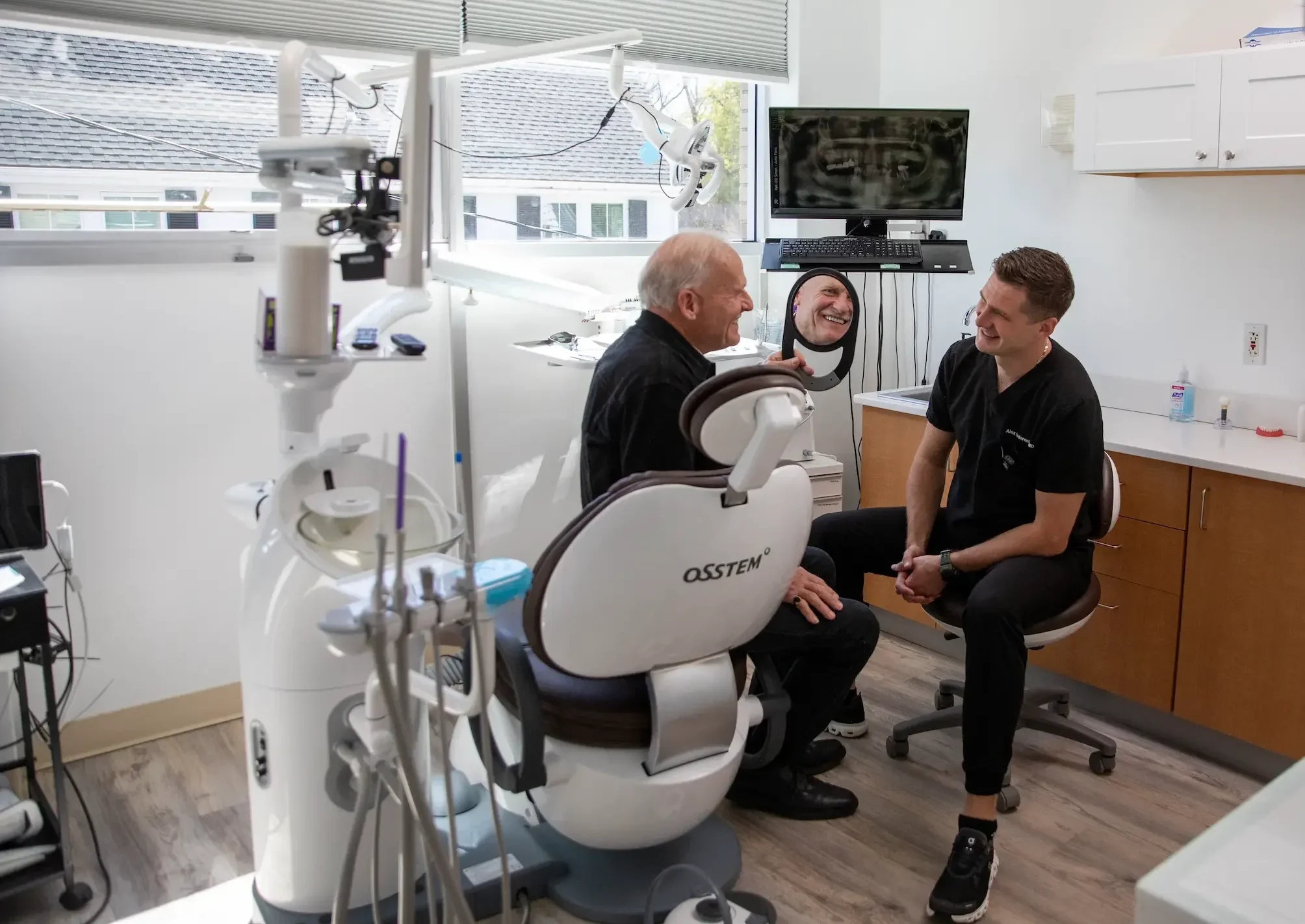
I met Dr. Alex recently and enjoy seeing him. Knowing dr. Alex for a short time, but having a great feeling about him like we grow together speaks a lot. He is very trustworthy, skillful, open, caring and super guy. I’m very lucky to know Alex. Thanks for everything
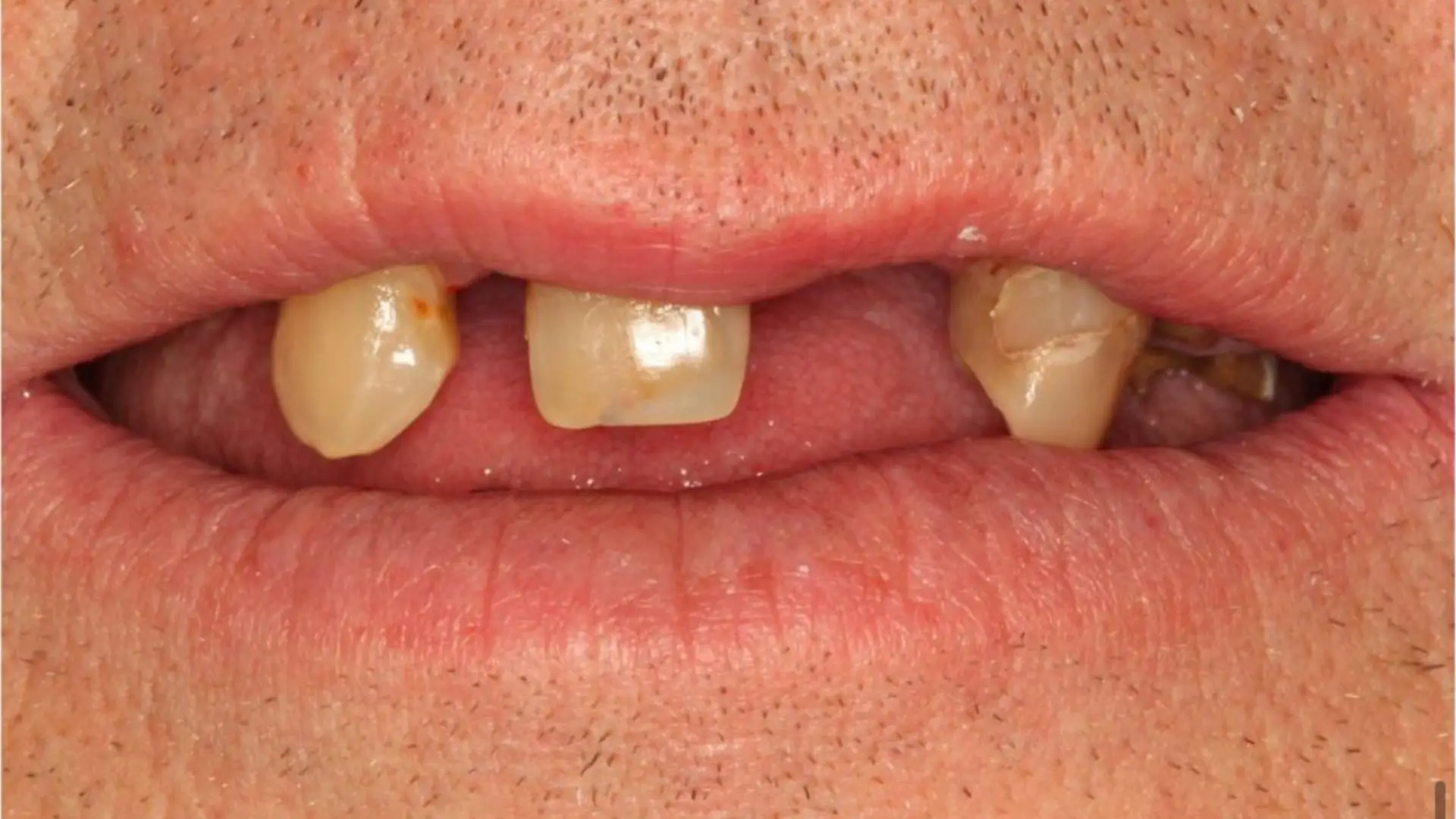
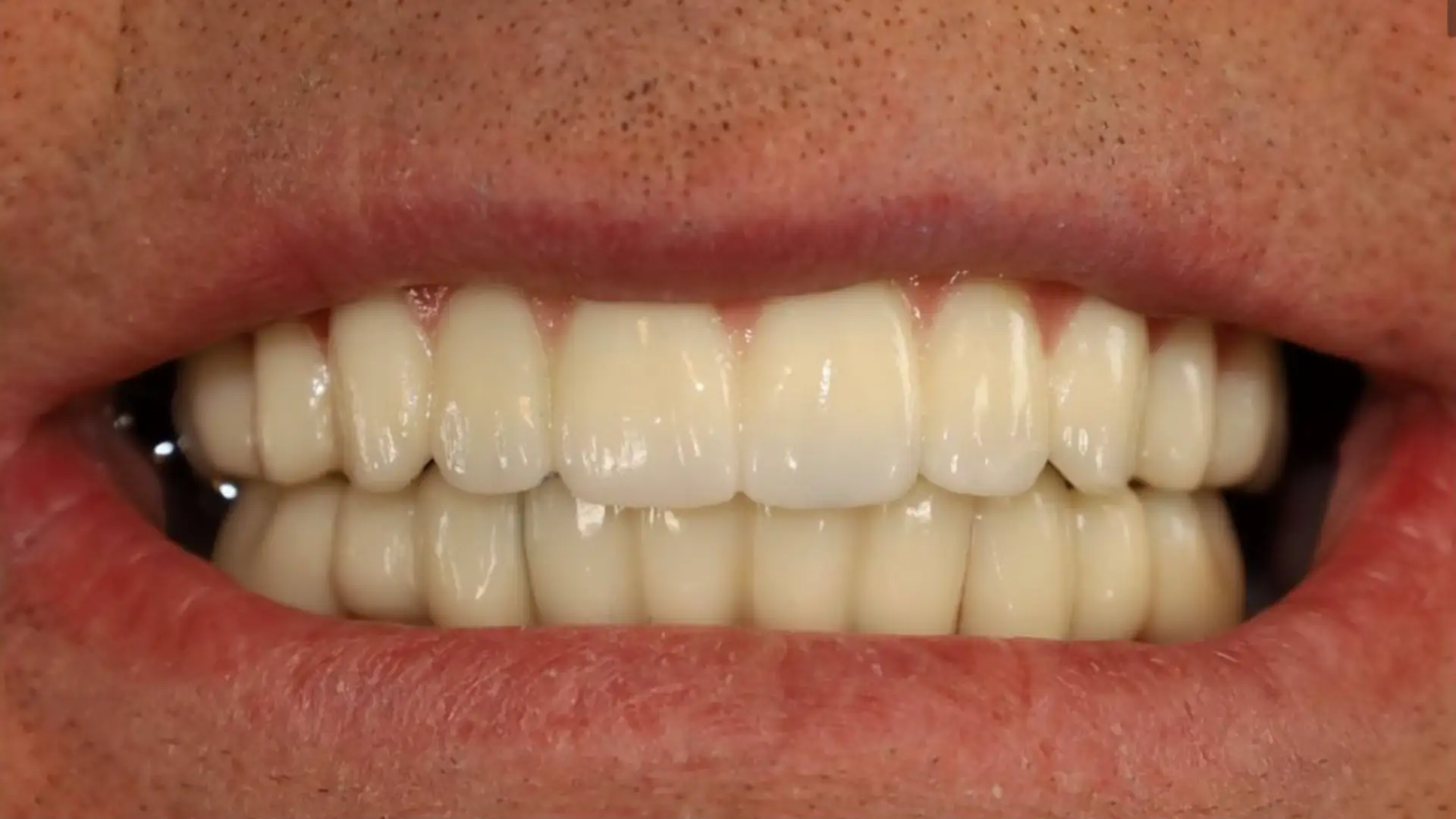
I highly recommend Dr. Alex Fedorenko for any dental procedure. I am currently going through a multi-step process with him, including a filling and a gum graft to prepare for future implants, and I couldn't be happier with the experience so far. Dr. Fedorenko always makes me feel comfortable in the chair, maintaining a positive and welcoming atmosphere. He pays great attention to detail, even playing light music that I enjoy to ease any tension. Beyond his exceptional professional skill, I know him personally and have tremendous respect for him as both a dentist and a great person. Even though my implant journey is still ongoing, I already know I'm in the best hands. If you're looking for expert care in a comfortable environment, Dr. Fedorenko is the best choice.
Easily the best dental experience I've had—highly recommended!
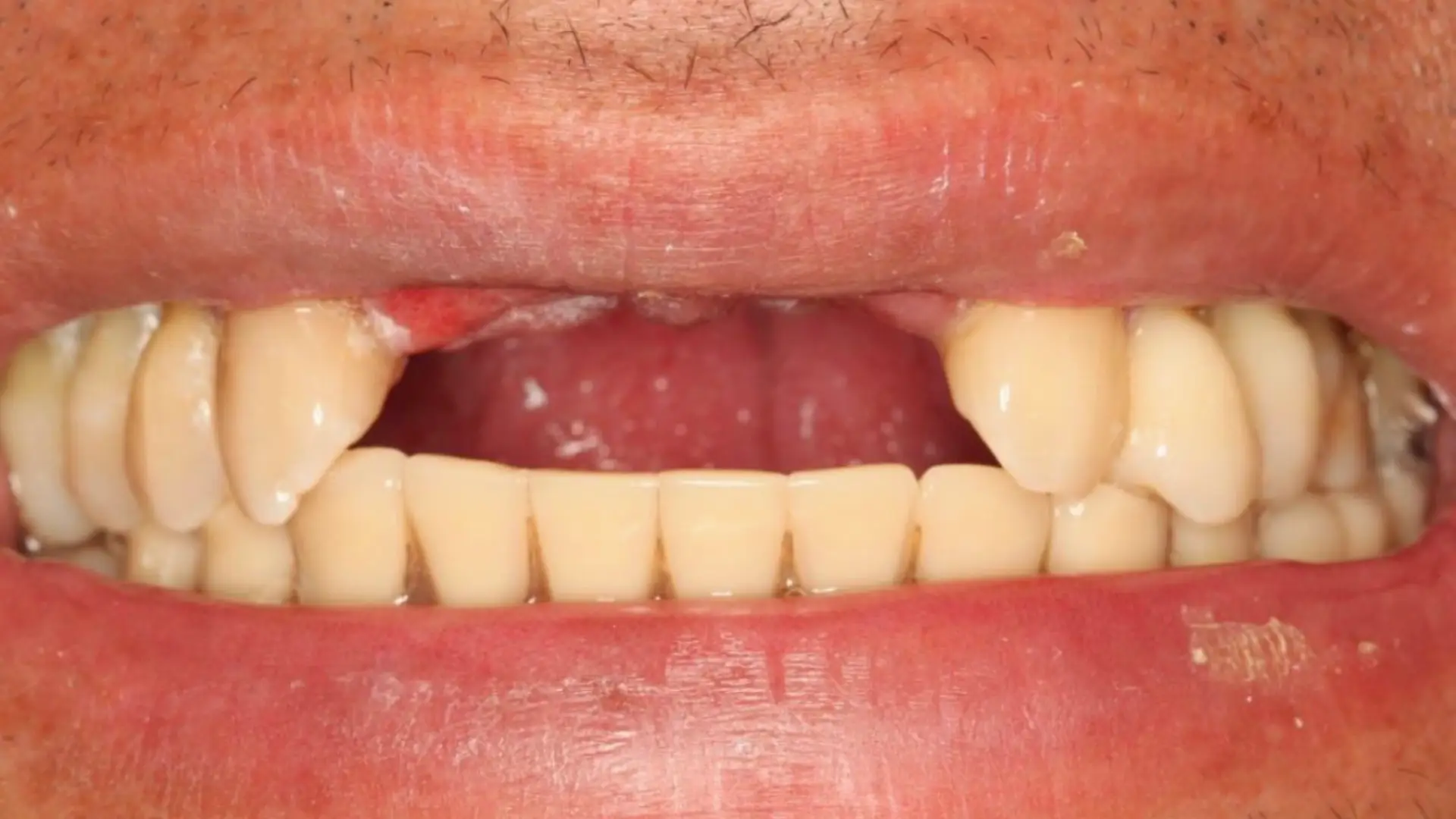
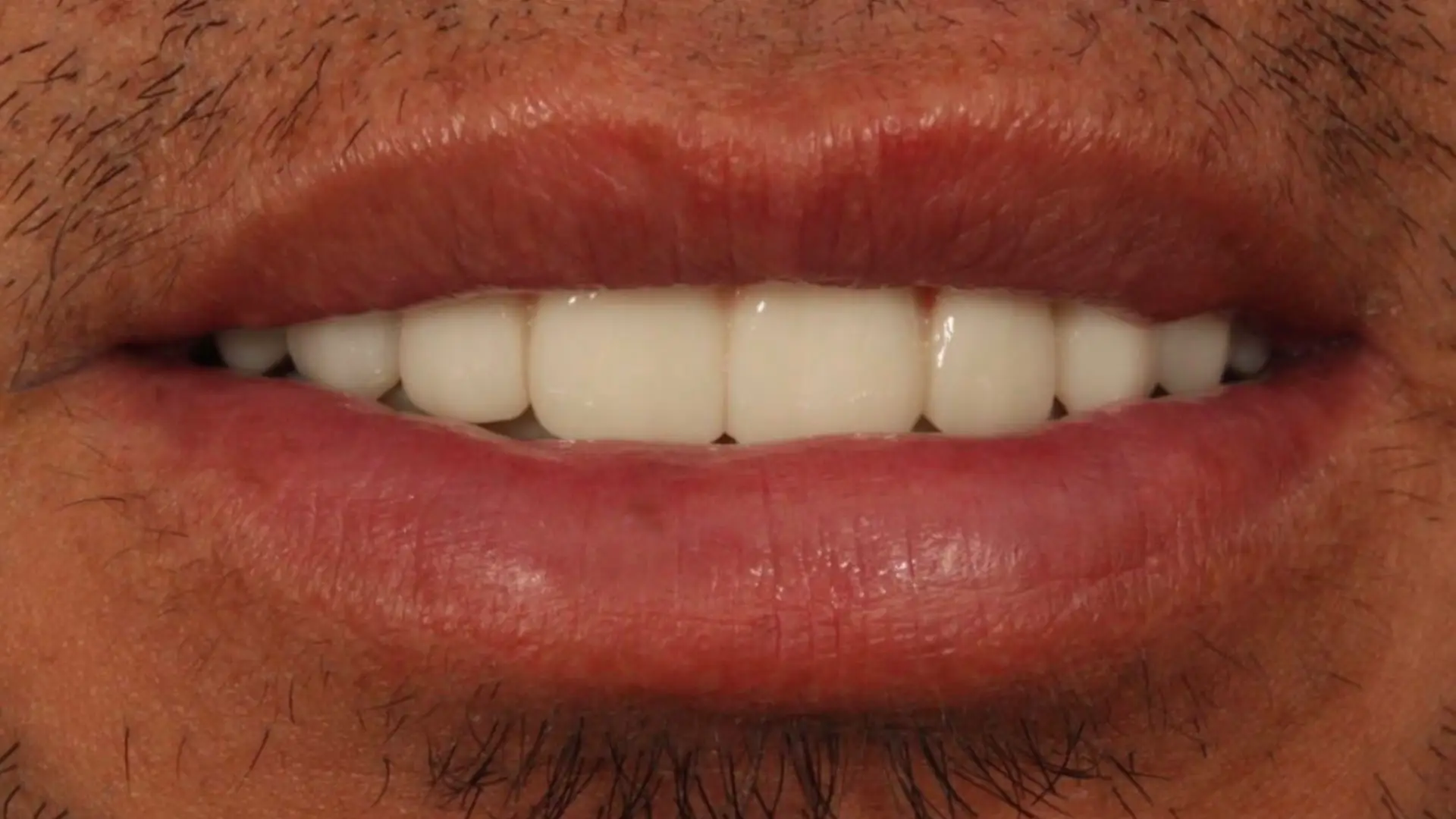
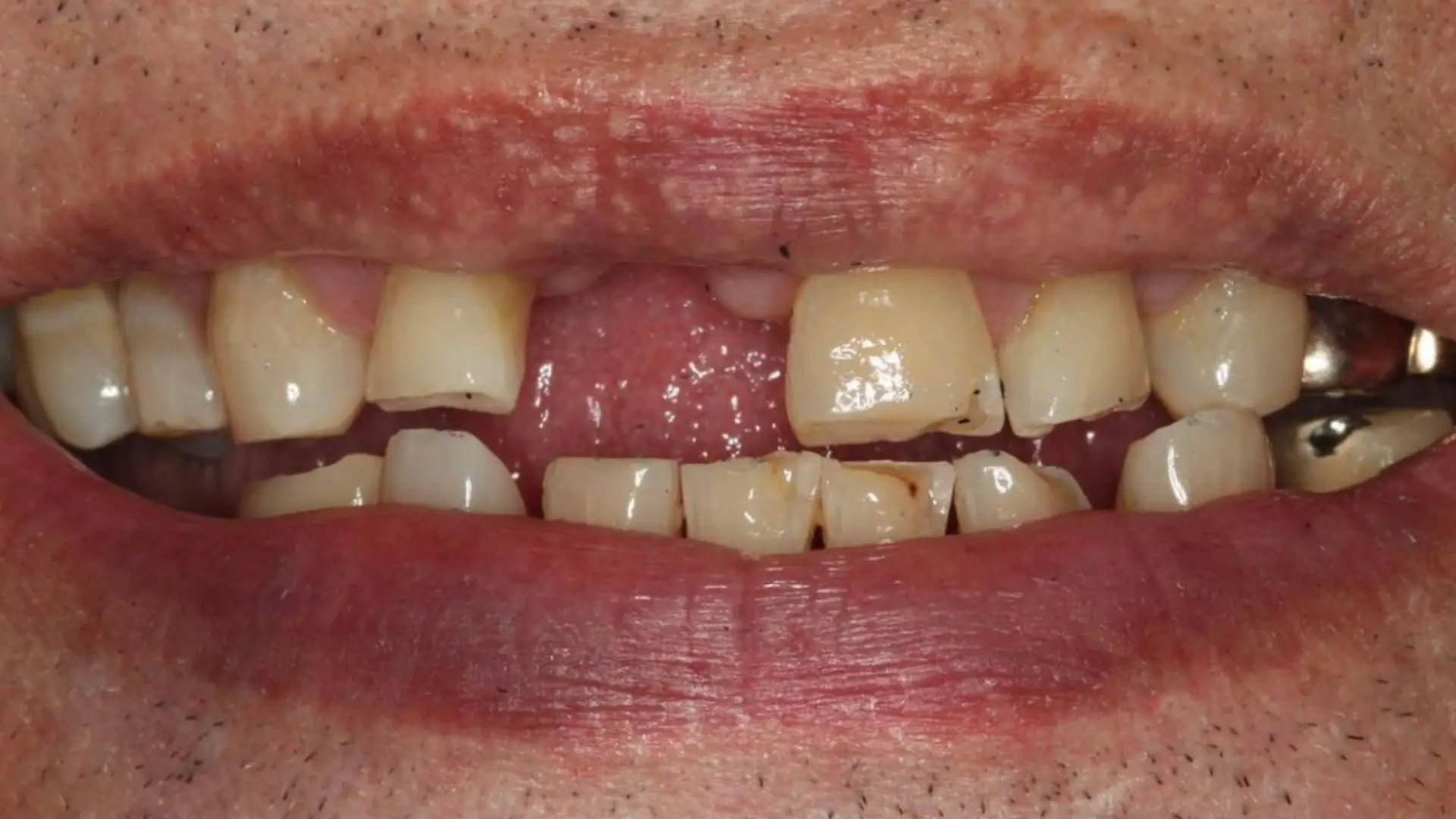
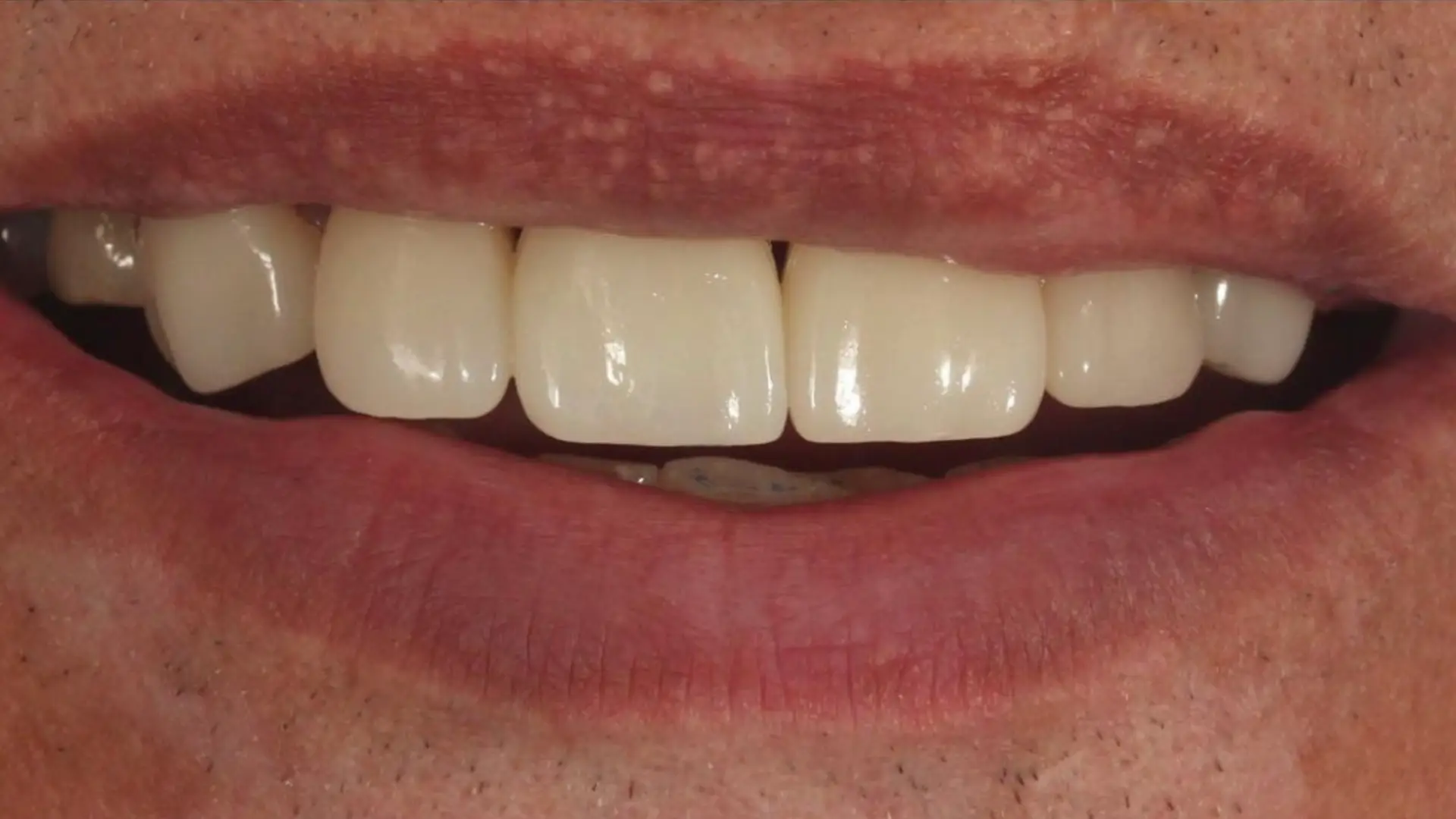
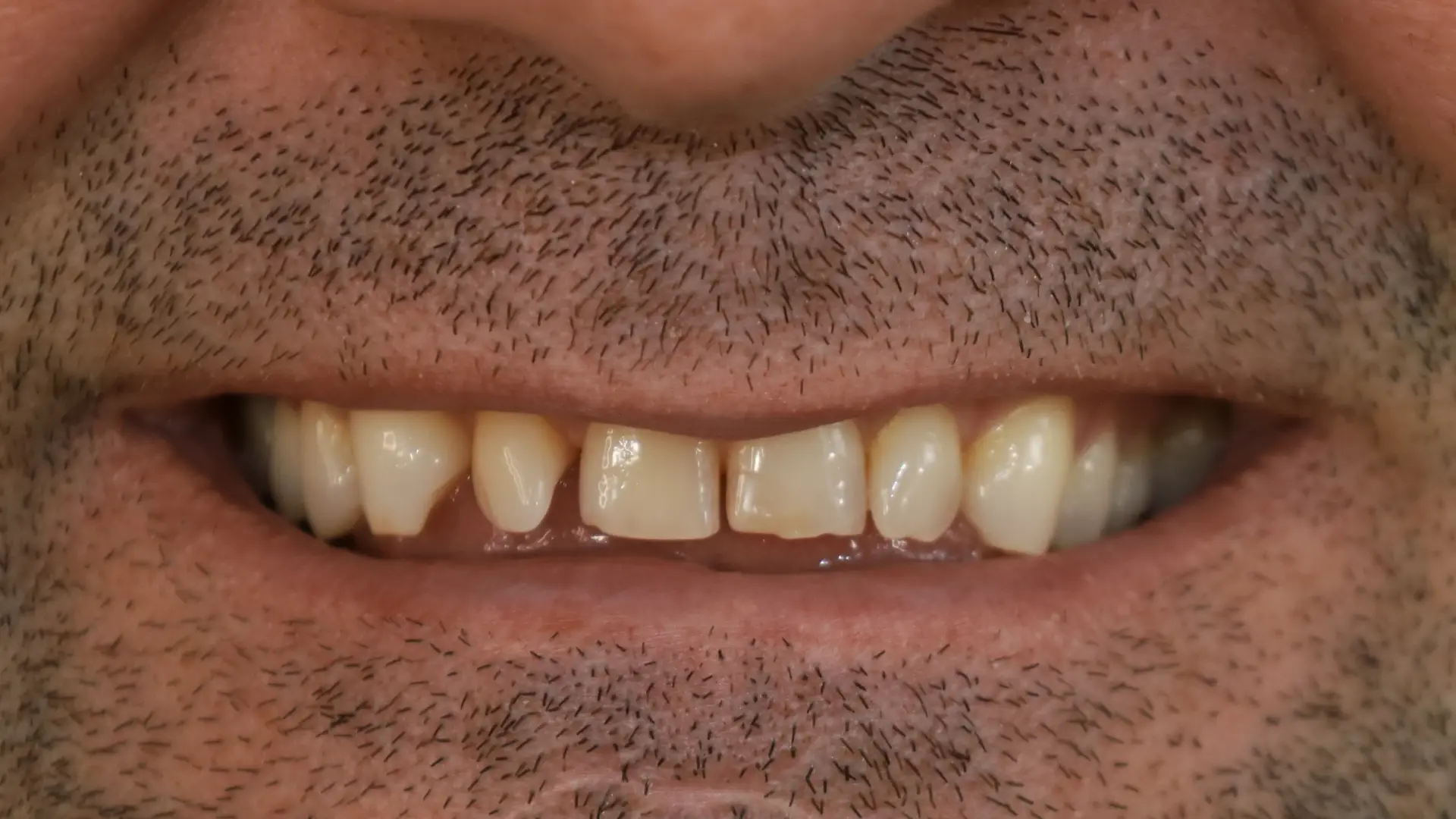
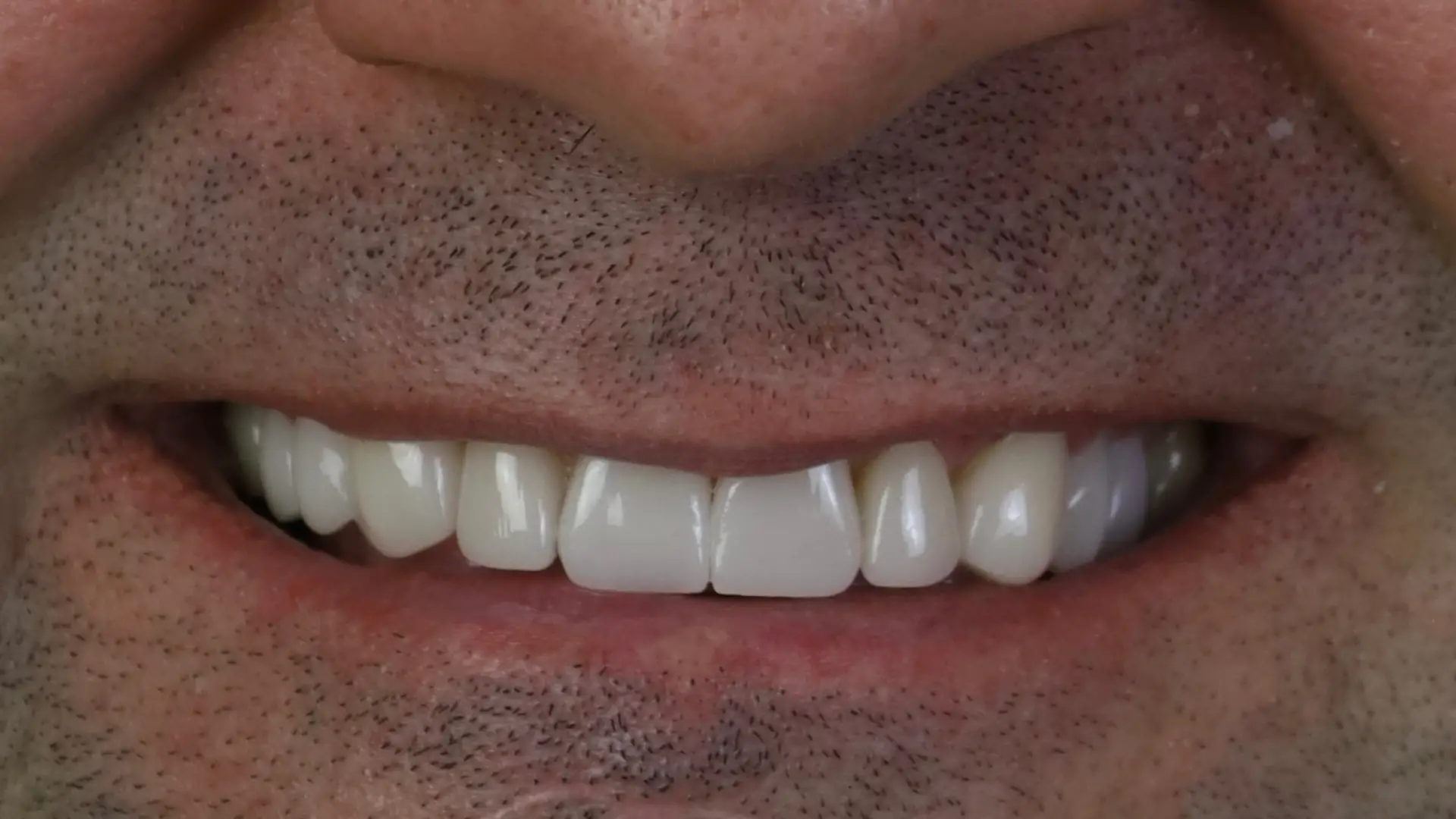
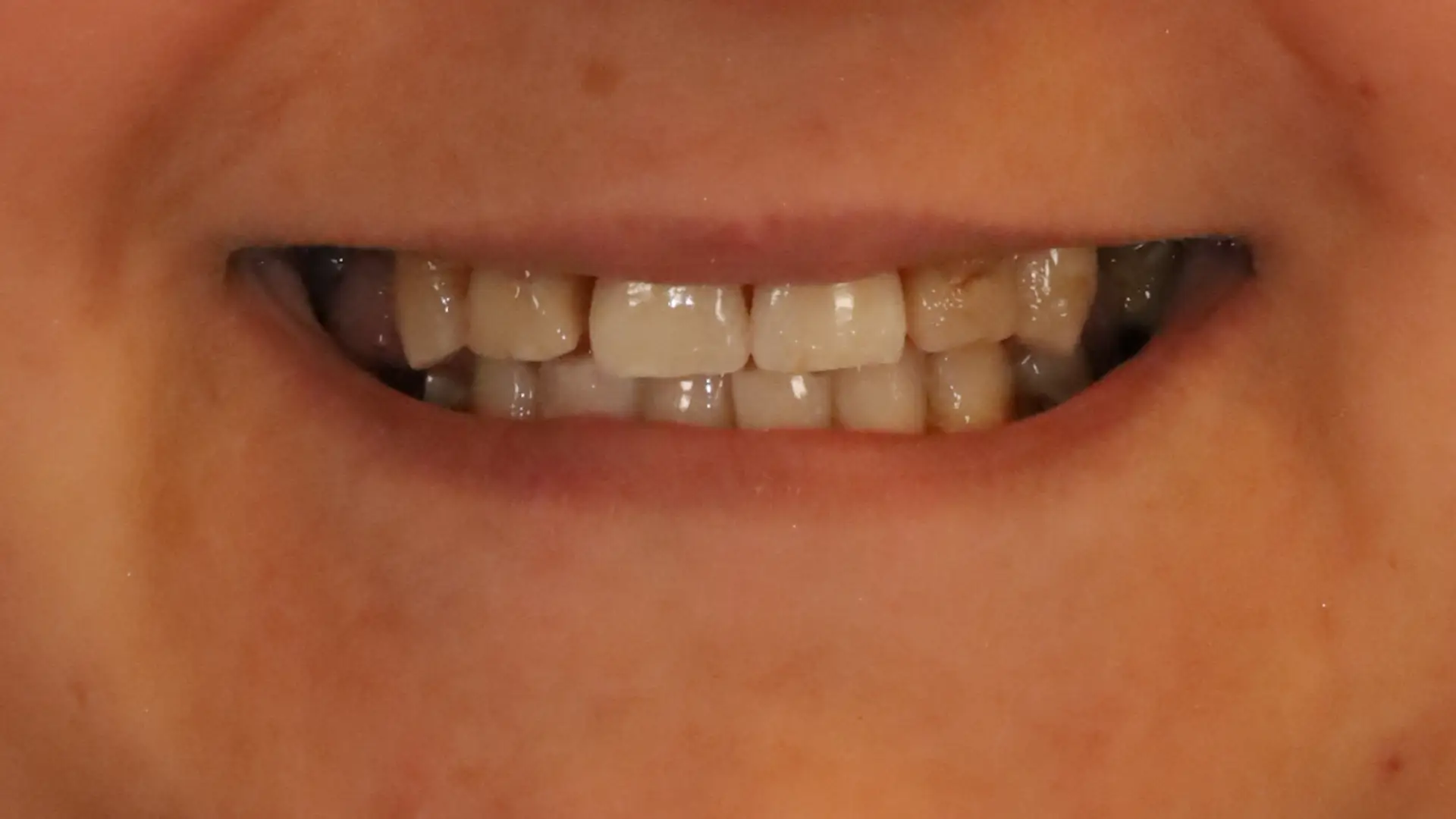
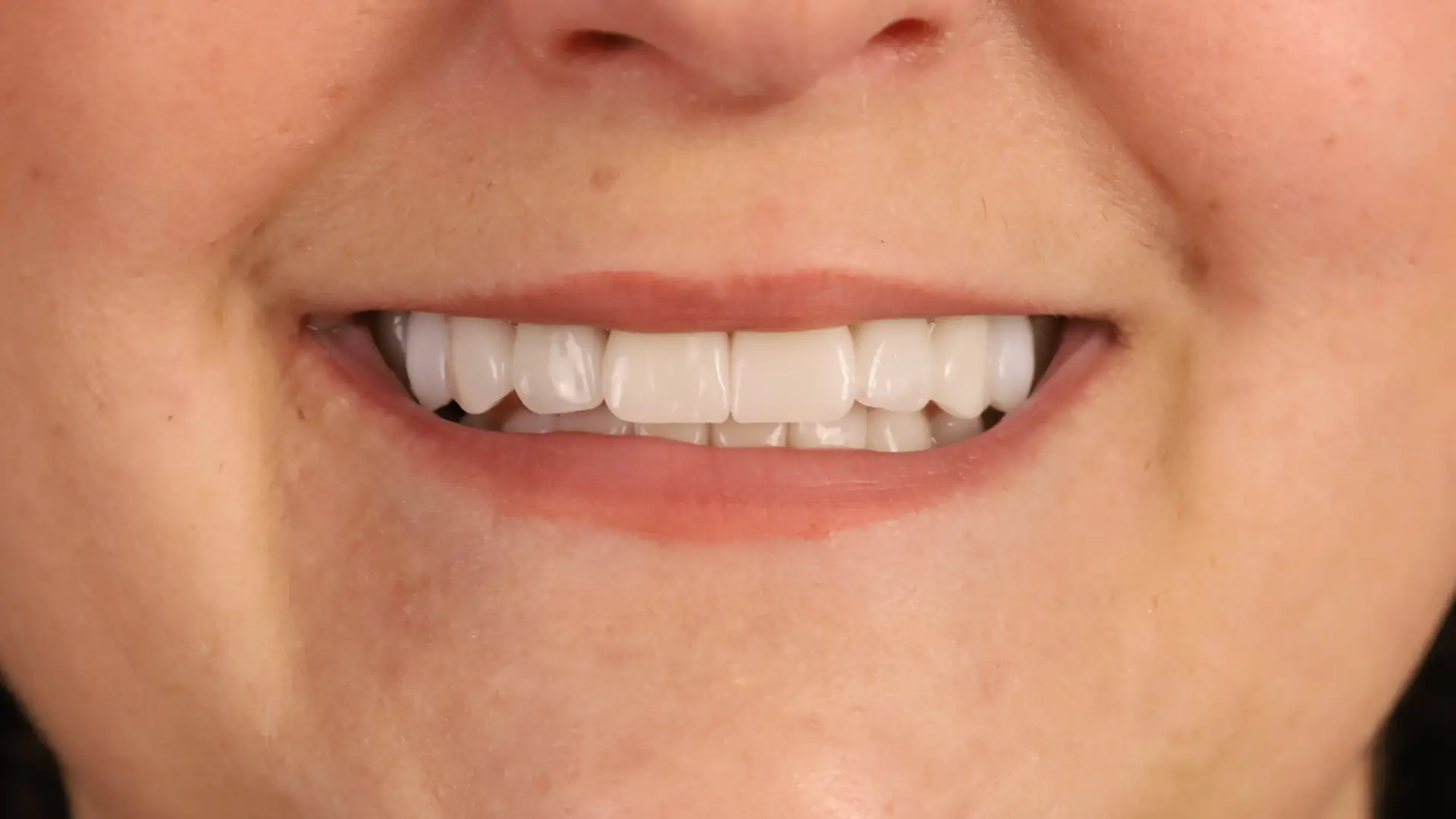
I cannot recommend Dr. Alex enough! I’ve been missing a tooth since childhood because my adult lateral incisor never grew in. Dr. Alex came up with a plan to completely transform my smile. He was able to reshape my existing canine into a lateral incisor, and then placed a veneer on the adjacent tooth to close the gap. The result is seamless! He literally gave me my missing tooth back and restored my smile! If you need cosmetic or restorative dental work, Dr. Alex is the best.
Love this place. Wow! From front desk till I left the office I felt like a guest of honor. But most of all I want to say that this was the most comfortable dentist I’ve ever been to. I had a cleaning done, and they also replaced two of my old silver fillings. I would highly recommend them! Also, after being here, I don’t think I’d want to go to any other dentist for the rest of my life. I’m truly impressed by the quality of the service and how it was done. Very thankful. If you are out of town like myself I would still make the effort to get there. If you live near by - you are very blessed. ⭐️⭐️⭐️⭐️⭐️
As soon as we began, I told Dr. Alex that I don’t really like dentists—or, honestly, getting my teeth worked on in general! 😅 But from the moment Dr. Alex and his assistant began working, I felt calm and at peace.
I’m so grateful for how the entire team went above and beyond to make me feel comfortable and cared for throughout the whole experience. Everyone was incredibly friendly, professional, and attentive. You can truly tell that they care about their patients and take pride in what they do.
Thank you, Dr. Alex and the whole team, for making an experience I normally dread feel so comfortable and positive! I’m very grateful and would absolutely recommend this clinic!
We had an appointment with Alex for a very difficult and lengthy tooth extraction, and he did an excellent job. It was truly delicate, precise work, and we are very grateful for his professionalism and skill. Thank you so much, Alex! God bless you and your work!
Had a great experience! Booked an appointment the day before and they fixed me up in a day. Didn’t expect to get great treatment so quickly!
Highly recommend this dental clinic! The staff is caring, attentive, and truly professional. The quality of their work is excellent from dental treatments to crowns, everything is done with great care and precision. They are very gentle, thorough, and genuinely focused on their patients’ comfort and dental health. An outstanding experience from start to finish. I highly recommend them!
Dr. Alex and his staff are AMAZING!! All very kind with an overall positive vibe. Dr. Alex is incredibly informed and knowledgable, and he gave me numerous options on what I could do in my situation (gum recession), I loved being able to weigh my options and make my own decision! The procedure was painless, and he allowed me to use my AirPods and listen to music which helped me relax! Everyone is so kind, and the receptionist is especially helpful and accommodating! Would highly recommend!
I had an emergency with my braces while visiting the US, and the team at Metro Dental & Implant Studio was amazing. They were able to see me quickly, fixed my bracket professionally, and made the whole experience stress-free. Everyone was kind, welcoming, and truly cared about helping me. I’m very grateful for their excellent service and highly recommend this office. Thank you so much!
Best, kindest, most knowledgeable, fair priced Dentist and ER ready. We just landed from Montana. Knew no one. Dr saw us at closing for 🇺🇸 July 4th. Phew. THANK YOU!!
⭐⭐⭐⭐⭐ Highly recommend! Huge thanks to the clinic and Dr. Aleksandr FedorenkoI would like to share my review and express our deep gratitude to Metro Dental Implant Studio, Dr. Aleksandr Fedorenko, the reception staff, and the assistants. We are incredibly happy with our visit and the way we were treated.Yesterday we had an emergency. My mother is visiting us from Ukraine on a tourist visa, so she does not have any local health insurance or medical coverage here. While eating, her natural tooth broke right under a crown that had been placed back in Ukraine. We were very worried and didn’t know what to do. We know Dr. Aleksandr and his family through ministry at CrossLight Boston Church (located at 20 Chapel Street, Brookline) as highly trustworthy and decent people, so we decided to reach out to them right away.Even though we live far away, they were incredibly accommodating and told us we could come in within an hour. The clinic staff and the doctor himself actually waited for us and stayed past their regular working hours to help my mother. Dr. Aleksandr did everything very gently and professionally. My mother experienced no pain or discomfort after the appointment, and she walked out with her tooth fixed on the very same day.We are infinitely grateful for such a quick response, great professionalism, and pure human kindness. They didn't leave us in a difficult situation and dedicated their extra time to us. I highly recommend this clinic. May God bless your practice and the entire team, and may you always have many wonderful patients!
Great service friendly people highly recommended this clinic
We had a wonderful experience at Metro Dental when my daughter needed a tooth removal. The dentist was very skilled, kind, and made her feel completely comfortable throughout the treatment. My daughter stayed calm and happy, which meant so much to us. The entire staff was also very welcoming and friendly. I definitely recommend Metro Dental to my friends and family!
Guys, I'll be honest, I don't regret reaching out to this doctor. Doctor and his team of assistants treated me very well; they were very polite, kind, attentive, and understanding, for which I am very grateful that there are such people. If you reach out to them, you won't regret it. Wishing you all the best!👍
I apologize for the long review however I feel it’s important you understand why I’m extremely grateful for Dr Alex & Team. I hope you all read until the end.
I am a metastatic breast cancer survivor on disability with a very limited income. I started to have pain in my jaw area and realized it was my tooth. Let me tell you out of all the surgeries I had this pain was by far the worst …. totally unbearable!
Memorial Day I went to Urgent Care, they prescribed me an antibiotic and naproxen. I checked my insurance (covered by my ex husband) and realized I didn’t have dental coverage.
Trying to find a dentist I learned that most no longer extract teeth in the office and they refer you to an oral surgeon. Having no insurance I needed the least out of pocket expense and that was not going to an Oral Surgeon.
Jump to Friday now a week in level 20 pain! I find a place Smiley Dental in Lowell they say come in. I’m like thank u no more pain after today. I get there do X-rays (all the technology we have still using hard films that dig in your cheeks and ask me to bite down already at level 20 pain sure no problem ughhh)!
The dentist reads my intake paperwork, X-rays and literally peeks in my mouth and says. I need to get medical clearance from my oncologist. (my bad I guess I should have known that) and a stronger antibiotic. As I’m crying I understand and pray the stronger antibiotics will ease my pain over the weekend.
I get the clearance I’m sched that Monday at 2 pm. I call the dentist the girl at the desk confirms they got it, all set for 2 see u then. Thank God it’s gonna happen!!! At 12:30 I get a call from a super sweet girl that tells me the Dr doesn’t feel comfortable treating me. I’m like what r u serious? I got what she needed. I asked to talk with her she wouldn’t she just wanted to send me to an Oral Surgeon.
I’m lost I can’t do this anymore im literally losing my mind the pain is taking my mind and body over. My friend starts googling she’s like your getting this done we’re finding somewhere.
She locates Metro Dental & Implant located In Lexington. She calls it’s now around 2 pm it goes to vm so she leaves a frantic msg. She gets a call back right away. I explained everything and without hesitation they booked me to come in for 3:30! Keep in mind they close at 4 and said come right in.
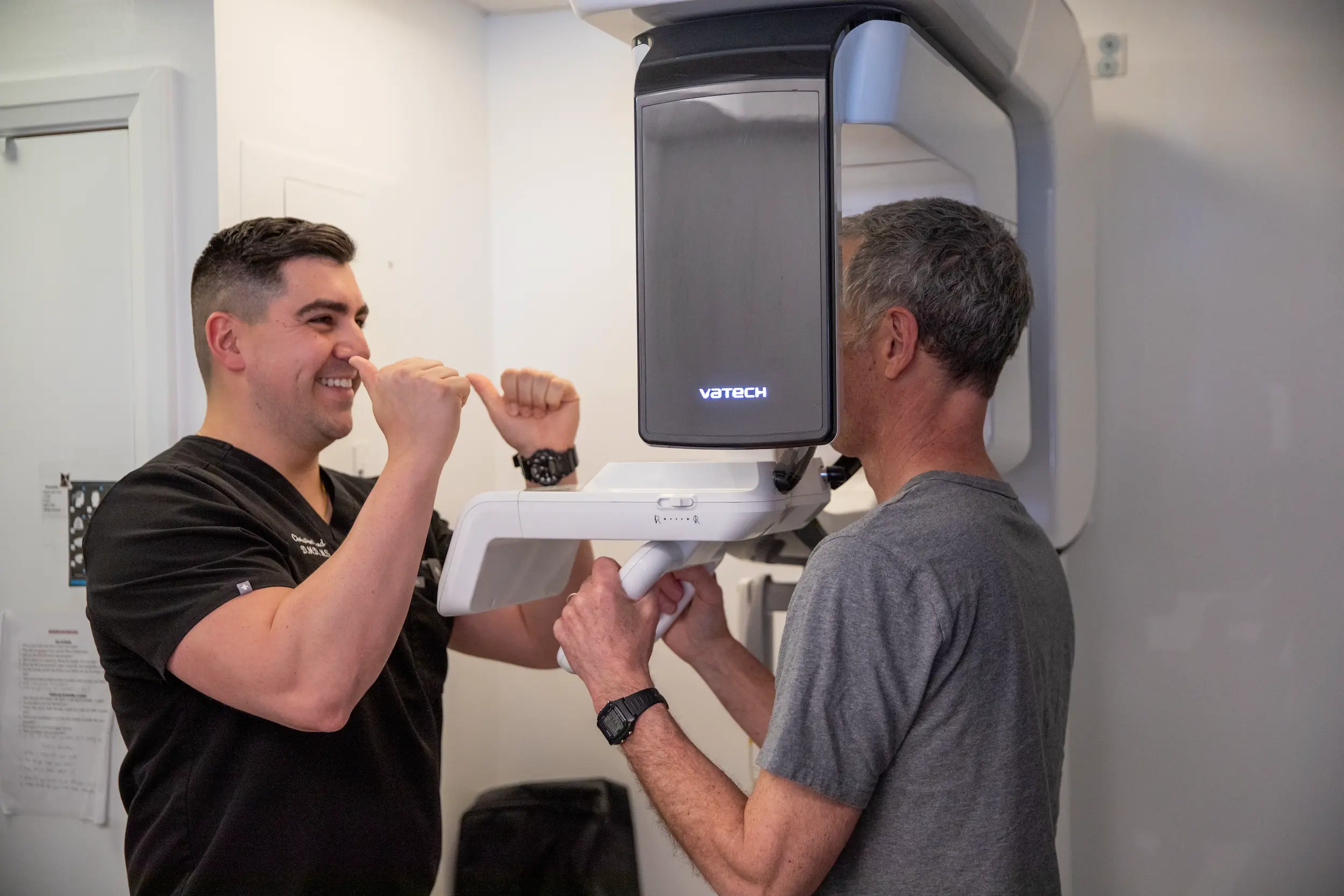
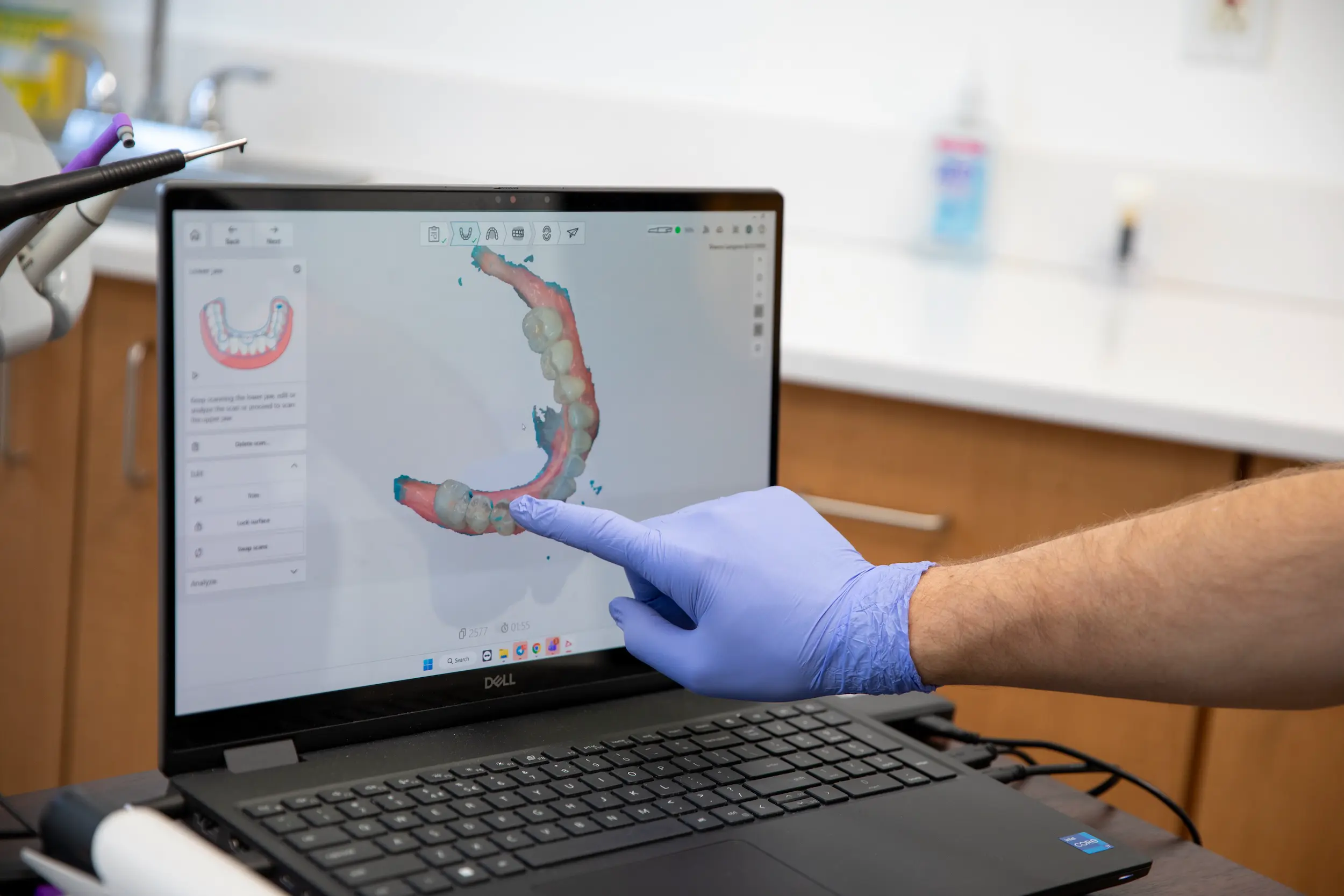
I get there and can I just say they are state of the art, technology and equipment are 2nd to none! The entire staff EVERY single one is amazing, super friendly, caring, thorough but honestly the list can go on and on!
Dr Alex was superb, he felt so bad for what I had gone through and said “we will take care of you and stop your pain today”. A true blessing, a person who actually cared about me and not himself! (Unlike the previous dentist) He explained all my options and what each would cost with 0 pressure!
Unfortunately the infection was too deep so we had to extract. The Dr and his assistant (i apologize I can’t remember his name but it began with a T) were both gentle and walked me through every step!
Dr Alex and his team literally saved me from my infection progressing and potentially causing a life threatening situation!
If I could rate higher than a 5 I would. I mean they took me right away, stayed open late, 0 pressure on the different options, were very understanding with my financial situation and let’s not forget they stopped my excruciating pain.
THANK YOU Dr Alex and his team I am forever grateful ❤️
Ps. I tried to get a refund from Smiley Dental for my consultation because they literally chose not to help me. However as I thought they won’t.
I really love my experience at Metro Dental office. Everything was excellent from start to finish. The staff were so friendly, professional and made me feel comfortable right away. The dentist explain me everything clearly so I really appreciated!
Dr.Alex Fedorenko и его команда профессионалы своего дела!!!
Dr.Alex удалил мне зуб мудрости, (который в Boston Medical Center) не захотели удалять, так как он был близко к лицевому нерву.
Только позитивные впечатления от посещения этой клиники.
Всем советую!